

Embark on a journey exploring the crucial role of Conversational AI in transforming telemedicine and virtual care. The intersection of technology and healthcare is paving the way for innovative solutions that enhance patient outcomes and experiences.
The Role of Conversational AI in Telemedicine and Virtual Care
Conversational AI plays a crucial role in transforming telemedicine and virtual care by enabling automated communication between healthcare providers and patients. This technology utilizes natural language processing to understand and respond to patient queries, provide information, schedule appointments, and even offer virtual consultations.
Examples of Conversational AI in Virtual Care Settings
- Chatbots integrated into telemedicine platforms to assist patients in booking appointments and accessing medical information.
- Voice assistants that help patients navigate through virtual care services and provide medication reminders.
- AI-powered virtual nursing assistants that offer personalized health recommendations and monitor patient progress remotely.
Benefits of Integrating Conversational AI in Telemedicine Practices
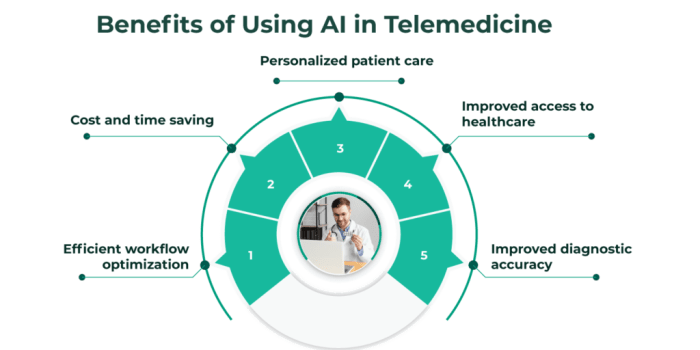
- Improved accessibility to healthcare services, especially for patients in remote areas.
- Enhanced efficiency in scheduling appointments and managing medical records.
- Cost-effective solutions for healthcare providers by reducing administrative tasks.
- Personalized care delivery based on patient interactions and preferences.
How Conversational AI Improves Patient Engagement and Satisfaction
- 24/7 availability for patients to seek medical advice and support.
- Enhanced communication between patients and healthcare providers, leading to better treatment outcomes.
- Reduced waiting times and quicker responses to patient inquiries.
- Empowerment of patients to take control of their health through interactive conversations and tailored recommendations.
Enhancing Patient Care through Conversational AI
Conversational AI plays a crucial role in enhancing patient care by enabling healthcare providers to deliver personalized care remotely. This technology allows for efficient communication between patients and providers, leading to improved health outcomes and patient satisfaction.
Improving Access to Healthcare Services
Conversational AI helps improve access to healthcare services for patients by providing immediate assistance and guidance. Patients can easily connect with healthcare professionals, schedule appointments, receive medication reminders, and access relevant healthcare information without any geographical constraints.
Comparison with Traditional Methods
When comparing traditional methods of patient communication with Conversational AI in virtual care, the latter offers a more convenient and efficient way for patients to interact with healthcare providers. Conversational AI platforms can provide personalized recommendations, answer medical queries, and offer support round the clock, making healthcare more accessible and convenient for patients.
Real-Life Impact
In real-life scenarios, Conversational AI has positively impacted patient care outcomes by reducing wait times, improving medication adherence, and enhancing patient engagement. For example, virtual assistants equipped with Conversational AI can monitor patients' health status, provide timely reminders for medications, and offer lifestyle recommendations to promote overall wellness.
Overcoming Challenges with Conversational AI in Telemedicine
Implementing Conversational AI in telemedicine comes with its own set of challenges that need to be addressed for successful integration and utilization. One of the common challenges faced includes ensuring privacy and security in virtual care settings due to the sensitive nature of patient information.
Healthcare professionals also need to adapt to using Conversational AI effectively to maximize its benefits and improve patient care outcomes. Additionally, integrating human empathy alongside Conversational AI is crucial for creating meaningful and successful patient interactions.
Addressing Privacy and Security Concerns
One strategy to address privacy and security concerns related to Conversational AI in virtual care is to ensure compliance with data protection regulations such as HIPAA. Healthcare organizations should invest in secure platforms and encryption protocols to safeguard patient data during interactions.
Regular training and education for staff on data privacy best practices can also help mitigate risks and ensure confidentiality.
Adapting to Using Conversational AI Effectively
Healthcare professionals can adapt to using Conversational AI effectively by receiving proper training on the use of AI-powered tools and platforms. It is essential to familiarize themselves with the technology and understand how to leverage its capabilities to enhance patient care.
Continuous feedback and updates on AI algorithms can also help professionals stay informed and make the most out of Conversational AI in their practice.
Integrating Human Empathy for Successful Patient Interactions
While Conversational AI can automate certain aspects of patient interactions, integrating human empathy is crucial for building trust and rapport with patients. Healthcare professionals should use AI as a tool to complement their empathetic communication skills rather than replace them entirely.
By combining the efficiency of AI with the human touch, healthcare providers can deliver more personalized and compassionate care to their patients.
Future Trends and Innovations in Conversational AI for Telemedicine
The future of Conversational AI in telemedicine looks promising as emerging technologies continue to shape the landscape of virtual care. Voice recognition and natural language processing are expected to play a significant role in enhancing telemedicine services, making interactions between patients and healthcare providers more seamless and efficient.
Voice Recognition and Natural Language Processing
Voice recognition technology allows for hands-free communication, enabling patients to interact with AI-powered systems using their voice. This can be particularly beneficial for individuals with limited mobility or those in need of immediate assistance. Natural language processing, on the other hand, enables AI systems to understand and interpret human language, making conversations more natural and intuitive.
- Improved Patient Engagement: By incorporating voice recognition and natural language processing, telemedicine platforms can enhance patient engagement and satisfaction.
- Enhanced Diagnostic Capabilities: AI-powered systems can analyze speech patterns and detect underlying health issues, providing healthcare providers with valuable insights.
- Personalized Care: Conversational AI can be tailored to different medical specialties, allowing for personalized care plans and treatment recommendations based on individual needs.
Revolutionizing Healthcare with AI-powered Chatbots
AI-powered chatbots are revolutionizing the healthcare industry by providing around-the-clock support, answering patient queries, scheduling appointments, and even reminding individuals to take their medication. These chatbots can triage patients, directing them to the appropriate level of care based on their symptoms, ultimately improving healthcare access and efficiency.
- 24/7 Support: AI chatbots offer 24/7 support, ensuring patients can access healthcare services anytime, anywhere.
- Efficient Triage: By quickly assessing symptoms and providing recommendations, chatbots help streamline the triage process, reducing wait times and improving patient outcomes.
- Data Analysis: AI-powered chatbots can analyze patient data in real-time, identifying trends and patterns that can assist healthcare providers in making informed decisions.
Final Thoughts
In conclusion, the integration of Conversational AI in telemedicine represents a significant advancement in healthcare delivery. By leveraging this technology, healthcare providers can offer personalized care, improve patient engagement, and overcome various challenges in the virtual care landscape. The future of telemedicine looks promising with the continued evolution of Conversational AI.
Essential Questionnaire
How does Conversational AI benefit telemedicine practices?
Conversational AI enhances telemedicine by improving patient engagement, providing personalized care remotely, and streamlining communication between healthcare providers and patients.
What are some common challenges faced when implementing Conversational AI in telemedicine?
Common challenges include addressing privacy and security concerns, adapting healthcare professionals to effectively use the technology, and integrating human empathy for successful patient interactions.
How can Conversational AI be tailored to different medical specialties?
Conversational AI can be customized to cater to various medical specialties by understanding specific terminology, workflows, and patient needs unique to each specialty for improved patient outcomes.

