

As How Health Information Technology Improves Patient Safety takes center stage, this opening passage beckons readers into a world crafted with good knowledge, ensuring a reading experience that is both absorbing and distinctly original.
Health Information Technology (HIT) plays a crucial role in healthcare, revolutionizing how patient safety is improved through innovative tools and systems. From Electronic Health Records to Decision Support Systems, the impact of HIT is profound and far-reaching.
Definition of Health Information Technology (HIT)
Health Information Technology (HIT) refers to the use of technology in healthcare to manage and exchange health information electronically. It plays a crucial role in improving the quality, safety, and efficiency of patient care.
Examples of HIT Tools in Healthcare
- Electronic Health Records (EHRs): Digital versions of patients' paper charts that contain comprehensive health information.
- Clinical Decision Support Systems (CDSS): Tools that assist healthcare providers in making clinical decisions by providing evidence-based recommendations.
- Telemedicine: Remote consultations and monitoring of patients using telecommunications technology.
Benefits of Implementing HIT in Improving Patient Safety
- Enhanced Communication: Enables seamless communication among healthcare providers, reducing errors and improving coordination of care.
- Accurate Information: Ensures access to up-to-date and accurate patient information, leading to better-informed decisions and reduced medical errors.
- Medication Safety: Helps in medication reconciliation, alerts for potential drug interactions, and dosage errors, thereby preventing adverse drug events.
- Improved Diagnosis: Facilitates access to diagnostic tools and patient history, aiding in timely and accurate diagnoses.
Electronic Health Records (EHR) and Patient Safety
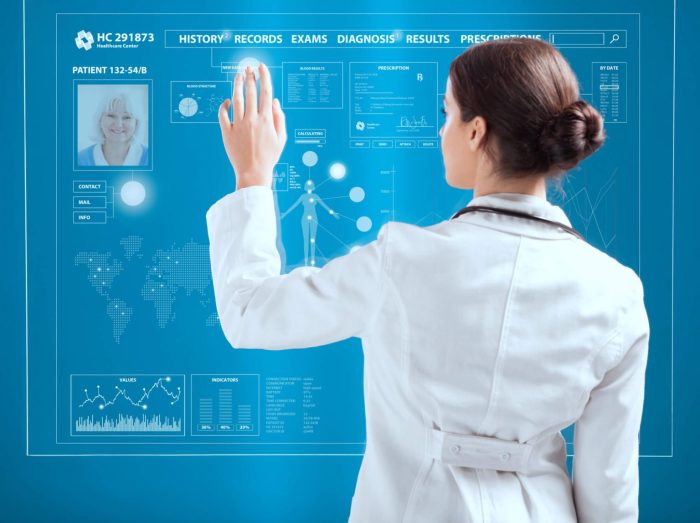
Electronic Health Records (EHR) play a crucial role in enhancing patient safety by providing healthcare providers with easy access to comprehensive and up-to-date patient information. This digital system helps to improve the quality of care and reduce medical errors through various features and functionalities.
Contributions of EHR to Enhancing Patient Safety
- Centralized Patient Information: EHR systems store all patient data in one secure location, allowing healthcare providers to access essential information quickly and accurately.
- Medication Management: EHRs provide alerts and reminders for potential drug interactions, allergies, and dosage errors, reducing the risk of medication-related harm.
- Decision Support Tools: EHRs offer clinical decision support tools that assist healthcare providers in making informed decisions about patient care, leading to better outcomes and reduced errors.
Specific Features of EHR in Reducing Medical Errors
- Electronic Prescribing: EHR systems enable electronic prescribing, reducing the chances of errors in medication orders, dosage, and administration.
- Standardized Documentation: EHRs promote standardized documentation practices, minimizing the risk of errors due to illegible handwriting or incomplete records.
- Audit Trails: EHRs provide audit trails that track any changes made to patient records, ensuring transparency and accountability in patient care.
Impact of EHR on Communication Among Healthcare Providers
- Improved Coordination: EHR systems facilitate better communication and coordination among healthcare team members by allowing real-time access to patient information, leading to more efficient and collaborative care.
- Secure Messaging: EHRs offer secure messaging platforms that enable healthcare providers to communicate securely about patient care, ensuring timely responses and actions.
- Care Coordination: EHRs support care coordination efforts by enabling seamless sharing of patient data among different healthcare settings, fostering continuity of care and reducing communication errors.
Medication Management Systems
Medication management systems integrated with Health Information Technology (HIT) play a crucial role in improving patient safety by ensuring accurate and timely administration of medications.
Reducing Medication Errors
- Automated medication dispensing systems help in reducing medication errors by ensuring the right medication is provided to the right patient in the right dose.
- Integration of electronic prescribing systems minimizes errors related to illegible handwriting and incorrect dosages.
- Barcode medication administration systems verify patient identity and medication details before administration, reducing the risk of medication errors.
Alerts and Reminders
Medication management systems also enhance patient safety outcomes through the use of alerts and reminders:
-
Alerts for potential drug interactions or allergies help healthcare providers make informed decisions and avoid harmful medication combinations.
-
Reminders for medication administration times improve adherence to treatment plans and reduce the risk of missed doses.
-
Automated alerts for medication refills ensure patients have a continuous supply of their prescribed medications, reducing the chances of treatment interruptions.
Telemedicine and Remote Monitoring
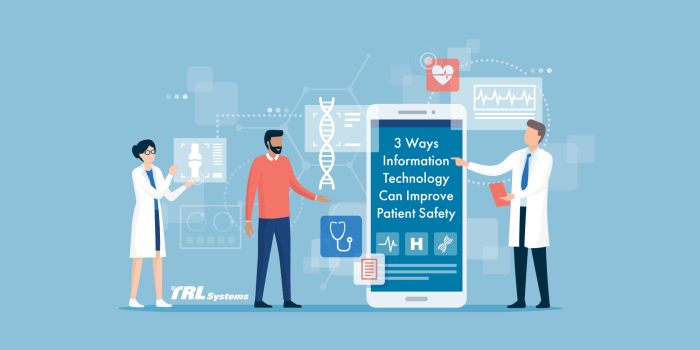
Telemedicine and remote monitoring technologies play a crucial role in enhancing patient safety within Health Information Technology (HIT) systems. These tools provide valuable support by offering timely access to healthcare services and enabling continuous monitoring of patient health.
Telemedicine for Timely Access to Healthcare
Telemedicine involves the use of telecommunications technology to deliver healthcare services remotely. This allows patients to consult with healthcare providers from the comfort of their own homes, eliminating the need for in-person visits. By providing timely access to medical advice and treatment, telemedicine helps prevent delays in care that could lead to adverse events.
Patients can receive prompt attention for their health concerns, reducing the risk of complications.
Remote Monitoring for Continuous Patient Care
Remote monitoring devices, such as wearable sensors and connected health devices, enable healthcare providers to track patients' vital signs and health metrics in real-time. These devices play a critical role in ensuring continuous patient care by allowing healthcare teams to monitor patients remotely.
Early detection of any concerning health trends or issues can lead to timely interventions, preventing complications and improving patient outcomes. Remote monitoring enhances patient safety by enabling proactive healthcare management and personalized interventions based on real-time data.
Decision Support Systems
Decision support systems in Health Information Technology (HIT) play a crucial role in aiding healthcare professionals in making informed decisions for patient safety. These systems provide clinicians with valuable insights, alerts, and recommendations based on patient data to enhance the quality of care and reduce medical errors.
Examples of Decision Support Tools and Impact
Decision support tools such as drug-drug interaction alerts, dosage calculators, and clinical guidelines reminders have shown significant impact in reducing medical errors. For instance, drug-drug interaction alerts can warn healthcare providers about potentially harmful drug combinations, leading to better medication management and improved patient safety.
Integration of Evidence-Based Guidelines
Decision support systems often integrate evidence-based guidelines into their algorithms to assist healthcare providers in following best practices and protocols. By aligning decision-making with established guidelines, these systems help improve patient outcomes and ensure that treatments are based on the latest medical research and recommendations.
Conclusion
In conclusion, the integration of Health Information Technology in healthcare settings offers a promising future for enhancing patient safety. By leveraging digital tools like EHR systems, medication management systems, telemedicine, and decision support systems, healthcare providers can deliver better and safer care to patients.
Embracing HIT is not just a trend but a necessity in ensuring optimal patient outcomes and reducing medical errors.
Essential FAQs
How does HIT improve communication among healthcare providers?
HIT systems like EHR facilitate seamless sharing of patient information among different providers, leading to better coordination and collaboration in patient care.
What are some common features of medication management systems integrated with HIT?
Features like automated alerts for drug interactions, dosage reminders, and medication reconciliation help in reducing medication errors and improving patient safety.
How does telemedicine contribute to preventing adverse events?
Telemedicine enables timely access to healthcare services, allowing early intervention and monitoring of patients to prevent adverse events or complications.
What role do decision support systems play in aiding healthcare professionals?
Decision support systems provide evidence-based guidelines and real-time information to help healthcare professionals make informed decisions, ultimately improving patient safety outcomes.

