

Delving into The Role of Health IT in Electronic Medical Records (EMR), this introduction immerses readers in a unique and compelling narrative, with a casual formal language style that is both engaging and thought-provoking from the very first sentence.
Providing a detailed overview of the significance of Health IT in managing Electronic Medical Records, the efficiency it brings to EMR management, and the impact on patient care.
Importance of Health IT in Electronic Medical Records (EMR)
Health IT plays a crucial role in the management of Electronic Medical Records (EMRs) by enabling healthcare providers to store, access, and exchange patient information efficiently and securely. By leveraging Health IT tools and systems, healthcare organizations can streamline their processes, improve decision-making, and ultimately enhance patient care outcomes.
Efficiency in EMR Management
- Health IT systems automate various administrative tasks, such as appointment scheduling, billing, and coding, reducing the burden on healthcare staff and minimizing errors.
- Electronic prescribing tools integrated into EMR systems help healthcare providers quickly and accurately prescribe medications, improving patient safety and reducing medication errors.
- Health IT allows for seamless sharing of patient information among different healthcare providers, ensuring continuity of care and reducing duplicative tests or procedures.
Enhancing Patient Care through EMRs
- By centralizing patient records in electronic format, Health IT enables healthcare providers to access comprehensive patient information quickly, leading to more informed clinical decisions and personalized treatment plans.
- EMRs with decision support functionalities can alert healthcare providers to potential drug interactions, allergies, or other critical information, helping to prevent adverse events and improve patient safety.
- Health IT tools like telemedicine platforms integrated with EMRs allow for remote monitoring of patients, facilitating timely interventions and improving patient outcomes, especially in chronic disease management.
Implementation of Health IT Systems for EMRs
Implementing Health IT systems for Electronic Medical Records (EMRs) involves a structured process to ensure seamless integration and effective utilization of technology in healthcare settings. This implementation plays a crucial role in improving patient care, streamlining workflows, and enhancing overall efficiency in healthcare facilities.
Challenges and Benefits of Integrating Health IT in EMR Systems
- Challenges:
- Initial Costs: Implementing Health IT systems can require significant financial investment for hardware, software, training, and maintenance.
- Resistance to Change: Healthcare professionals may face resistance to adopting new technologies due to fear of disruption and changes in established workflows.
- Interoperability Issues: Ensuring seamless communication and data exchange between different Health IT systems can be a challenge, impacting the effectiveness of EMRs.
- Benefits:
- Improved Patient Care: Health IT systems in EMRs allow for easy access to patient information, leading to more informed decision-making and personalized care.
- Enhanced Efficiency: Automation of tasks, such as appointment scheduling and billing, can streamline workflows and reduce administrative burden on healthcare providers.
- Data Security: Implementing Health IT systems with robust security measures can help safeguard patient data and ensure compliance with privacy regulations.
Strategies for Successful Deployment of Health IT in EMR Environments
- Comprehensive Training: Providing thorough training and support to healthcare staff on using Health IT systems is essential for successful implementation.
- Engaging Stakeholders: Involving key stakeholders, including clinicians, IT professionals, and administrators, in the decision-making process can ensure buy-in and support for the new technology.
- Customization and Integration: Tailoring Health IT systems to meet the specific needs of the healthcare facility and integrating them with existing systems can enhance usability and efficiency.
- Continuous Evaluation: Regularly assessing the performance and impact of Health IT systems allows for adjustments and improvements to optimize their functionality over time.
Security and Privacy Concerns in Health IT for EMRs
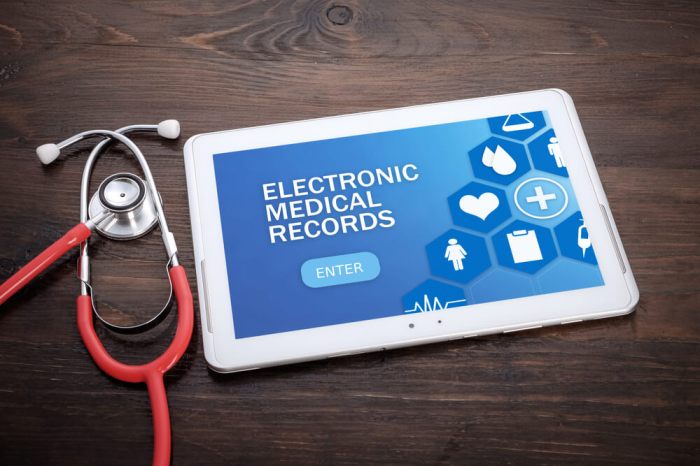
In the realm of electronic medical records (EMRs), security and privacy concerns are paramount when it comes to Health IT systems. Ensuring the confidentiality and integrity of patient data is crucial for maintaining trust and compliance with regulations.
Common Security and Privacy Issues
- Unauthorized access: One of the primary concerns is the risk of unauthorized individuals gaining access to sensitive patient information stored in EMRs. This can lead to breaches of privacy and potential identity theft.
- Data breaches: EMRs are susceptible to data breaches, whether through malicious attacks or inadvertent leaks. These breaches can expose patient data to unauthorized parties, compromising their privacy.
- Data integrity: Ensuring the accuracy and completeness of data in EMRs is essential for providing quality healthcare. Any tampering or manipulation of records can have serious consequences for patient care.
Methods for Ensuring Data Security and Patient Privacy
- Encryption: Implementing strong encryption protocols for data at rest and in transit can help safeguard patient information from unauthorized access.
- Access controls: Utilizing role-based access controls and multi-factor authentication can restrict access to EMRs based on user roles and enhance security measures.
- Auditing and monitoring: Regularly auditing access logs and monitoring system activity can help detect suspicious behavior and potential security threats in Health IT systems.
Importance of Compliance with Regulations
- HIPAA compliance: Adhering to regulations like the Health Insurance Portability and Accountability Act (HIPAA) is crucial for protecting patient privacy and avoiding legal repercussions. Health IT systems must comply with HIPAA standards to ensure the confidentiality of EMRs.
- Data protection laws: Compliance with data protection laws and regulations specific to the healthcare industry is essential for maintaining the security and privacy of electronic medical records. Non-compliance can result in severe penalties and damage to reputation.
Interoperability and Integration of Health IT in EMR Systems
Interoperability plays a crucial role in connecting different Health IT systems with Electronic Medical Records (EMRs), allowing seamless data sharing and communication between healthcare providers.
Enhanced Data Sharing and Communication
- Interoperability enables healthcare providers to access and share patient information across different systems, leading to improved care coordination and treatment outcomes.
- For example, a primary care physician can easily view a patient's medical history, lab results, and treatment plans from specialists or other healthcare facilities, ensuring comprehensive and informed decision-making.
- Interoperability also facilitates the exchange of critical information in real-time, reducing duplication of tests, medication errors, and unnecessary delays in patient care.
Challenges and Solutions for Integration
- One of the main challenges in integrating various Health IT systems within EMR platforms is the lack of standardized data formats and communication protocols.
- Healthcare organizations often struggle with interoperability issues due to incompatible systems, leading to data silos and fragmented patient records.
- To address these challenges, industry stakeholders are working towards developing common data standards, such as HL7 and FHIR, to ensure seamless data exchange and interoperability between different systems.
- Furthermore, the implementation of robust integration platforms and middleware solutions can help bridge the gap between disparate systems, enabling smooth data flow and interoperability within EMR environments.
Closing Notes
In conclusion, this discussion highlighted the crucial role of Health IT in Electronic Medical Records (EMR), emphasizing the need for effective implementation, security measures, and interoperability.
FAQ Insights
What are some common security concerns with Health IT in EMRs?
Common security concerns include data breaches, unauthorized access, and malware attacks. Implementing robust security measures and encryption can help mitigate these risks.
How can Health IT systems improve patient care in EMRs?
Health IT systems can enhance patient care by streamlining communication between healthcare providers, reducing medical errors, and providing quick access to patient information.
What are some challenges in integrating Health IT with EMR systems?
Challenges may include compatibility issues between different systems, data migration complexities, and resistance from staff to adopt new technologies. Overcoming these challenges requires careful planning and training.

